Paulownia (Paulownia tomentosa) is a tree native to central and eastern China. Due to its rapid growth and large, attractive purple flowers, which open in spring before the leaves emerge, it is popular as an ornamental tree. However, its spread beyond planted areas can pose a challenge for nature conservation. It produces numerous seed capsules, each of which may contain up to 2,000 small, light, winged seeds. These can be dispersed over long distances by wind and water. Seeds can remain viable in the soil seed bank for two to three years, and the species can also reproduce through root suckers/shoots. These and other adaptive characteristics allow it to spread beyond planted areas and establish in natural environments, where it can displace native plant species. Early detection and appropriate action are therefore important for limiting its spread.

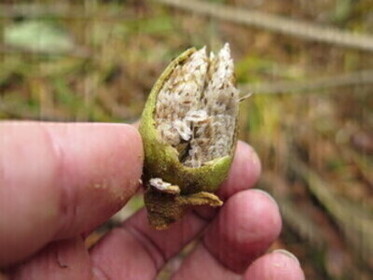
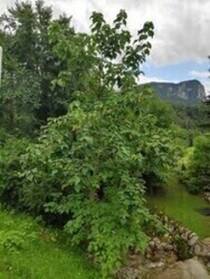
Figure 1: a) Paulownia flower (source: Pexels.com), b) fruit with seeds, and c) whole tree (photos b and c: Aleksander Marinšek).
Within the Stop Paulownia! project, we carried out a systematic inventory of this species in the nature protected area Tivoli, Rožnik and Šišenski hrib Landscape Park and in a selected buffer zone of urban area surrounding the park.
Field activities
Between May and August 2026, field surveys, drone reconnaissance and spatial analyses produced records of 484 Paulownia individuals within the project area: 474 in the forest and 10 at six urban locations. Three additional individuals were observed outside the project area.
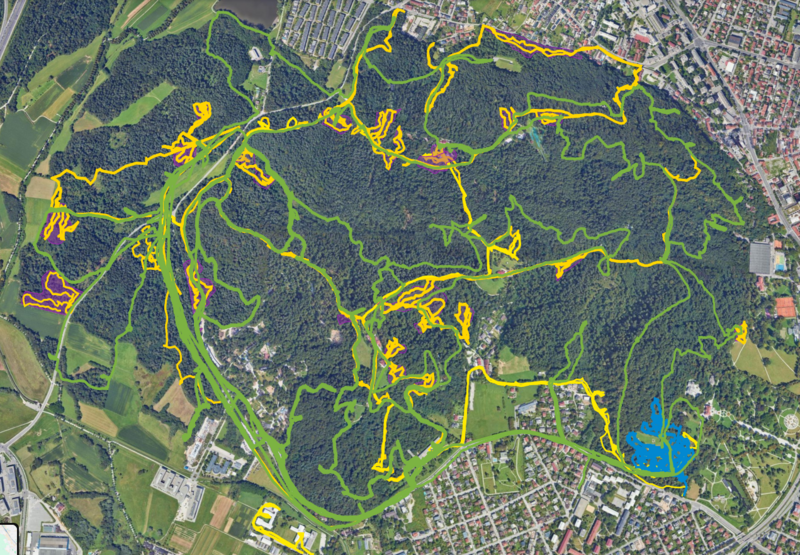
Figure 2: GPS tracks from the field survey (yellow, green and blue lines) and potential Paulownia occurrence areas (purple polygons) identified through spatial analysis in the Tivoli, Rožnik and Šišenski hrib Landscape Park.
Between June and September, all 474 inventoried forest individuals were treated on City of Ljubljana forest land in the south-eastern part of the Landscape Park. Of these, 255 were below 50 cm in height, 186 were between 50 and 200 cm, and 33 were taller than two metres. Most were removed by manual pulling or uprooting using dedicated extraction tools, while the 12 largest plants were girdled. None had produced fruits or seeds, and no herbicides were used.
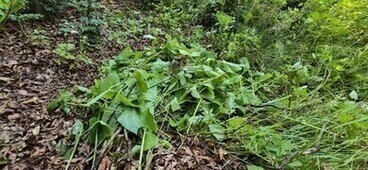
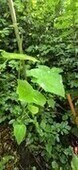
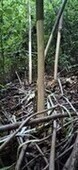
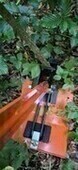
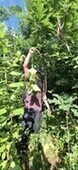
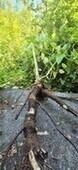
Figure 3: a) pile of smaller Paulownia plants, b) shorter Paulownia in beech regeneration, c) girdled Paulownia trees, d) uprooting Paulownia with a dedicated extraction tool, e) long roots of an uprooted shorter Paulownia plant, f) a stronger root of a taller uprooted Paulownia plant.
In the urban area, removal will depend on the cooperation of landowners during the second part of the project.
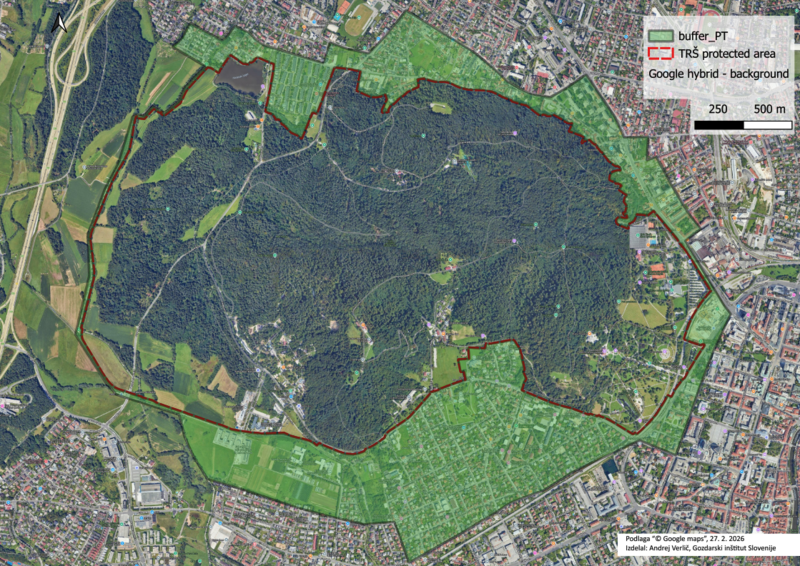
Figure 4: Paulownia survey area in the urban environment of Ljubljana (shown in green).
What did we learn?
The survey combined field inspections, drone use and planning in a geographic information system (GIS). Individual plants could not be identified reliably enough in drone imagery, so field inspections were essential. Spatial analysis of young and regenerating forest stands on south-facing aspects supported survey planning.
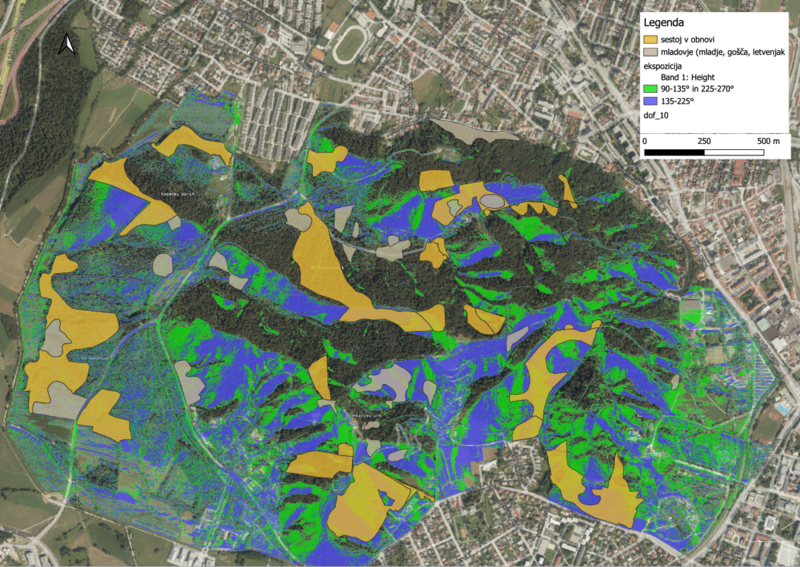
Figure 5: Young and regenerating forest stands identified through spatial analysis.
The work confirmed that girdling of larger trees requires multiannual monitoring and repeated treatment, as new suckers/shoots may repeatedly emerge from the root system.
Contribution to biodiversity conservation
The project combines systematic data collection, direct plant removal, planning of further monitoring and cooperation with different stakeholders. In doing so, it contributes to efforts to limit the spread of invasive alien species and protect biodiversity, and supports United Nations Sustainable Development Goal 15 - Life on Land.
Cooperation and public awareness raising
Through joint work, the project partners contribute to the inventory and management of Paulownia and raise public awareness of the characteristics of invasive alien species. The project was presented with a poster at the Raznoživo Festival, held in Ljubljana on 22 May 2026.
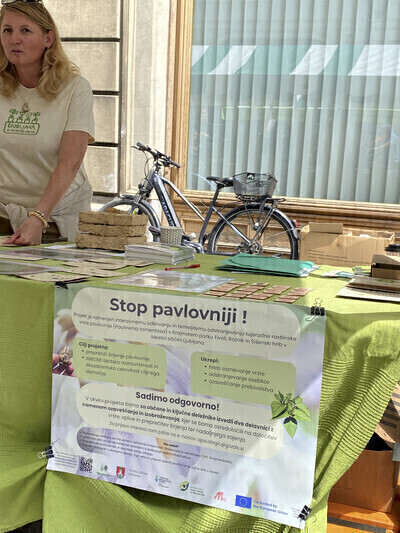
Figure 6: City of Ljubljana stand at the Raznoživo Festival, held in Ljubljana on the International Day for Biological Diversity.
At the end of the reporting period, various stakeholders were invited to a workshop held in early October. Its implementation and results will be reported in the final project report.
During the next phase, we will monitor treatment areas, check for possible resprouting in the Landscape Park forest and continue Paulownia management in the urban area. Awareness-raising workshops will be an important part of the activities, disseminating knowledge on the pathways of Paulownia spread and options for preventing it, while encouraging public involvement in biodiversity protection.
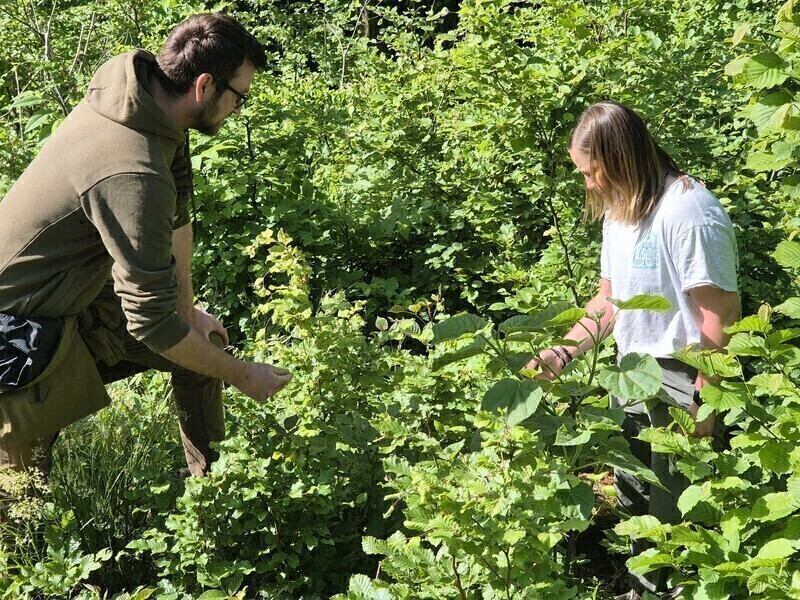
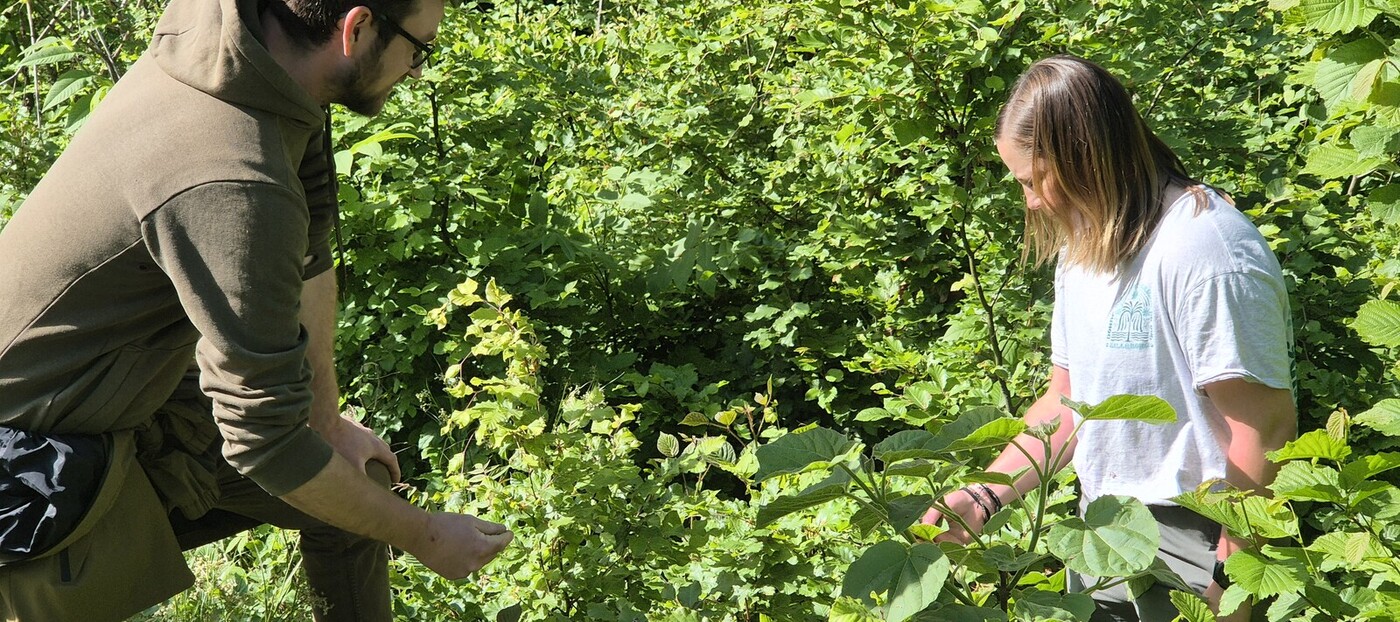
Figure 7: Paulownia survey in the Landscape Park forest.



